Adriana Perez
Mastering The Basics: 10 Uncommon Pencil Techniques Every Beginner Should Try
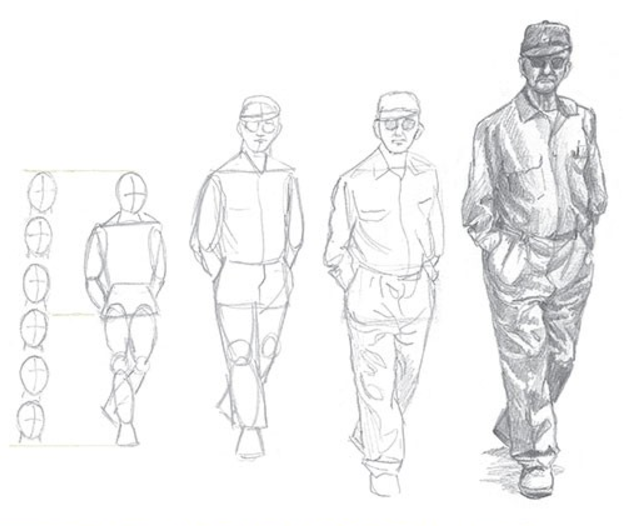
Drawing is a timeless art form that offers endless possibilities for expression and creativity. For beginners, finding the right techniques and sources of inspiration can be challenging. While traditional methods are essential, exploring uncommon and unique drawing ideas can open new doors to artistic discovery and improvement. In this extensive guide, we will dive deep into ten uncommon drawing techniques and creative approaches that can elevate your skills and keep you motivated on your artistic journey.
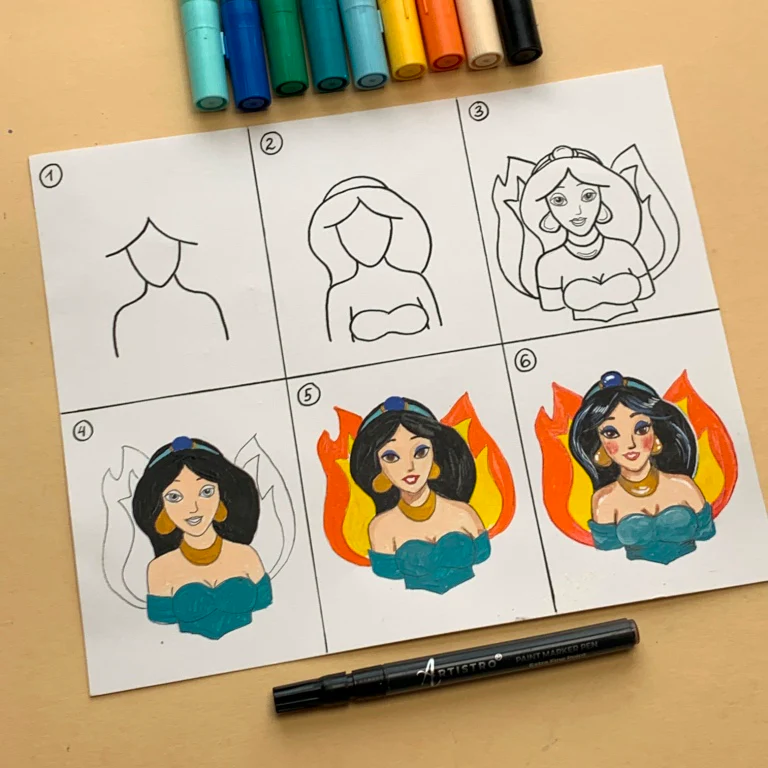
1. Drawing with Unusual Tools: Expanding Your Artistic Toolkit
When most people think of drawing tools, pencils, pens, and charcoal come to mind. However, using unconventional tools can lead to fascinating and unexpected results. Here’s how you can expand your artistic toolkit:
a. Drawing with Nature’s Tools
Nature offers a plethora of tools that can add unique textures and effects to your drawings. Try using leaves, sticks, or even feathers to create different patterns and lines. For instance, dipping a leaf in ink and pressing it onto paper can produce beautiful, organic shapes that mimic natural textures.
b. Household Items as Drawing Tools
Explore using everyday items such as toothbrushes, sponges, or cotton swabs. A toothbrush can create interesting splatter effects when dipped in ink or paint and flicked across the paper. Sponges can be used to apply texture, creating a more dynamic and layered drawing.
c. Alternative Drawing Surfaces
Think beyond traditional paper. Experiment with drawing on surfaces like fabric, wood, or metal. Each material offers unique challenges and can dramatically alter the appearance and feel of your artwork.
2. Exploring the World of Blind Contour Drawing
Blind contour drawing is a technique where you draw the subject without looking at your paper. This approach helps you develop a deeper connection with your subject and improves hand-eye coordination.
a. The Basics of Blind Contour Drawing
To start, choose a simple object and focus solely on observing it. Without looking at your paper, carefully draw the contours of the object. This exercise enhances your observational skills and encourages a more fluid, less controlled drawing style.
b. Benefits for Beginners
Blind contour drawing helps beginners move away from perfectionism and embrace the natural flow of their hand. It also fosters a stronger understanding of form and proportion by forcing you to pay close attention to the subject’s details.
c. Incorporating Color and Texture
Once you’re comfortable with blind contour drawing, experiment by adding color and texture. You can use watercolors, colored pencils, or even pastels to add depth and dimension to your contour drawings.
3. The Art of Drawing with Your Non-Dominant Hand
Drawing with your non-dominant hand can be a challenging yet rewarding exercise. This technique can help you develop better hand coordination and offer a fresh perspective on your art.
a. Overcoming the Challenge
Start with simple shapes and lines to build confidence. Gradually move on to more complex subjects as you become more comfortable. Remember, the goal is to improve your coordination and creativity, not to create perfect drawings.
b. Benefits for Artistic Development
Using your non-dominant hand can break through creative blocks and force you to think differently. It can also improve your overall drawing skills by engaging different parts of your brain and enhancing your dexterity.
c. Integrating with Other Techniques
Combine non-dominant hand drawing with other techniques, such as blind contour drawing, to further challenge yourself and explore new artistic possibilities.
4. Exploring Abstract Drawing Techniques
Abstract drawing moves away from realistic representation and focuses on expressing ideas, emotions, and concepts through forms and colors. For beginners, it offers a freeing and exploratory approach to drawing.
a. Understanding Abstract Drawing
Abstract drawing is less about replicating what you see and more about conveying a feeling or concept. Experiment with shapes, colors, and lines to express your emotions or ideas in a non-literal way.
b. Techniques and Approaches
Try starting with spontaneous mark-making, allowing your hand to move freely across the paper without a predetermined outcome. Play with different mediums, such as ink, watercolor, or pastels, to create dynamic and varied abstract pieces.
c. Embracing Imperfection
Abstract art often embraces imperfections and randomness. Don’t worry about achieving perfection; instead, focus on the process and the emotions you’re conveying through your work.
5. Drawing with Light and Shadow: The Art of Chiaroscuro
Chiaroscuro is a technique that uses strong contrasts between light and dark to create a sense of volume and depth. It’s a powerful way to enhance the three-dimensionality of your drawings.
a. Basics of Chiaroscuro
Start by studying simple objects under a single light source. Observe how the light creates highlights and shadows. Use a range of pencils from hard (H) to soft (B) to achieve different values and textures.
b. Advanced Techniques
Once you’re comfortable with basic chiaroscuro, experiment with multiple light sources and more complex compositions. Pay attention to the transitions between light and shadow to create a more realistic and dramatic effect.
c. Integrating with Other Styles
Combine chiaroscuro with other drawing techniques, such as cross-hatching or stippling, to add additional texture and detail to your work.
6. Incorporating Found Objects into Your Drawings
Found objects are items that are discovered rather than created. Incorporating these into your drawings can add unique elements and textures to your artwork.
a. Choosing and Preparing Found Objects
Select objects that interest you and consider how they can be integrated into your drawings. You might use them as textures, patterns, or even as part of the composition itself.
b. Techniques for Integration
Experiment with different ways to incorporate found objects, such as pressing them onto your paper with ink or using them to create textures. You can also draw around or over these objects to create a layered effect.
c. Benefits and Creativity
Using found objects encourages creativity and resourcefulness. It also allows you to explore how everyday items can transform into artistic elements, adding depth and intrigue to your work.
7. Drawing from Imagination: Techniques for Creative Visualization
Drawing from imagination involves creating images based on your mental images rather than real-life references. This technique is essential for developing your unique artistic style and voice.
a. Stimulating Creativity
Start by brainstorming and sketching out different ideas without a reference. Allow yourself to explore various concepts and themes. Use prompts or exercises to spark your imagination, such as drawing from dreams or emotions.
b. Techniques for Visualization
Practice visualization exercises, such as closing your eyes and picturing a scene or object in detail before drawing it. This helps you strengthen your mental image and translate it onto paper.
c. Developing Your Style
Drawing from imagination allows you to experiment with different styles and techniques. Embrace your unique creative voice and use these exercises to develop and refine your artistic identity.
8. Exploring Mixed Media: Combining Various Drawing Techniques
Mixed media involves using different materials and techniques within a single artwork. This approach can add depth and complexity to your drawings, making them more dynamic and engaging.
a. Basics of Mixed Media
Start by selecting a variety of materials, such as pencils, ink, watercolor, and pastels. Experiment with combining these elements to create layered and textured drawings.
b. Techniques and Ideas
Try layering different mediums, such as using watercolor as a base and adding detailed pencil work on top. You can also create collages by incorporating textured paper, fabric, or other materials into your drawings.
c. Benefits of Mixed Media
Mixed media encourages experimentation and creativity. It allows you to explore how different materials interact and how they can be used to enhance and complement each other.
9. Drawing with a Limited Palette: Enhancing Focus and Creativity
Using a limited color palette can help beginners focus on form, texture, and composition without being overwhelmed by too many colors. This technique can also lead to more cohesive and harmonious artworks.
a. Choosing Your Palette
Select a small range of colors, such as three to five, and use them exclusively in your drawing. Consider choosing colors that work well together and offer a variety of values and hues.
b. Techniques for Using a Limited Palette
Experiment with mixing and layering your chosen colors to create different effects and tones. Focus on using color to enhance form, texture, and contrast in your drawing.
c. Benefits for Artistic Growth
Using a limited palette helps you develop a better understanding of color relationships and composition. It also encourages creativity by forcing you to find innovative ways to use a restricted range of colors.
10. Drawing with Emotions: Capturing Feelings in Your Artwork
Drawing with emotions involves conveying your feelings and experiences through your artwork. This approach allows you to create more personal and expressive pieces.
a. Understanding Emotional Expression
Identify the emotions you want to convey and consider how they can be represented through lines, shapes, and colors. Use abstract or symbolic elements to express your feelings effectively.
b. Techniques for Emotional Drawing
Experiment with different techniques, such as varying line thickness, using bold colors, or creating dynamic compositions. Allow your emotions to guide your creative process and influence your artistic decisions.
c. Benefits of Emotional Drawing
Drawing with emotions helps you connect more deeply with your artwork and creates more meaningful and impactful pieces. It also encourages self-expression and personal exploration through art.
Conclusion: Embracing Unconventional Drawing Techniques
Exploring unconventional drawing techniques and creative ideas can greatly enhance your skills and expand your artistic horizons.